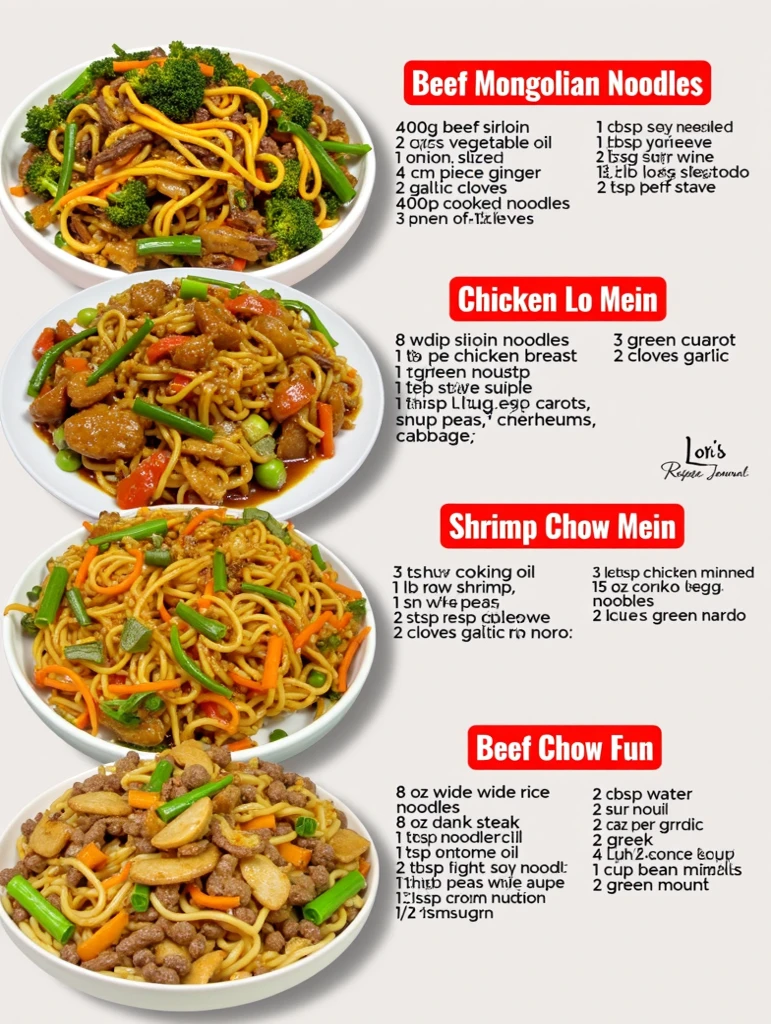
The first time I attempted to recreate my favorite takeout dish at home, I was convinced it would be impossible to match that perfect balance of sweet and savory that makes Beef Mongolian Noodles so addictive. I was wrong. After several attempts and careful attention to technique, I discovered that making restaurant-quality Beef Mongolian Noodles at home is not only possible—it’s actually easier than ordering delivery.
This dish has become my go-to when I’m craving something deeply satisfying and flavorful. The tender strips of beef coated in a glossy, slightly sweet soy-based sauce, combined with crisp vegetables and chewy noodles, create a harmony of textures and flavors that’s absolutely irresistible. Moreover, the entire dish comes together in about 30 minutes, making it perfect for busy weeknights when you want something special without spending hours in the kitchen.
What Makes Beef Mongolian Noodles So Irresistible
Beef Mongolian Noodles represent the best of Asian stir-fry cuisine. The dish combines thinly sliced beef sirloin with tender noodles, crisp broccoli, and aromatic ginger and garlic, all brought together by a sauce that’s both complex and perfectly balanced. Unlike heavy, greasy takeout, homemade Beef Mongolian Noodles are fresh, vibrant, and exactly as saucy as you want them to be.
What I love most about Beef Mongolian Noodles is the contrast of textures. The beef should be tender and velvety, the broccoli crisp-tender with a slight bite, and the noodles perfectly chewy. When you nail these elements, every forkful delivers satisfaction. Additionally, the sauce clings to everything beautifully, ensuring that each component is packed with flavor.
The secret to authentic Beef Mongolian Noodles lies in the technique as much as the ingredients. High heat, quick cooking, and proper preparation of your beef make all the difference between restaurant-quality results and disappointing stir-fry.
Essential Ingredients for Beef Mongolian Noodles
For the Beef and Marinade:
- 400g beef sirloin, thinly sliced against the grain
- 2 tablespoons vegetable oil
- ½ teaspoon baking soda (for tenderizing)
- 2 teaspoons cornstarch
- 1 tablespoon soy sauce
For the Sauce:
- 1 tablespoon soy sauce
- 1 tablespoon Chinese Shaoxing wine (or dry sherry)
- 2 teaspoons cornstarch
- 2 tablespoons water
For the Stir-Fry:
- 400g cooked noodles (lo mein, udon, or rice noodles work well)
- 1 bunch fresh broccoli, cut into florets
- 1 onion, thinly sliced
- 4cm piece fresh ginger, julienned
- 2 cloves garlic, minced
- 2 tablespoons vegetable oil for cooking
The quality of your beef matters tremendously in Beef Mongolian Noodles. I always use sirloin because it’s tender, flavorful, and reasonably priced. However, flank steak or ribeye also work beautifully if you prefer.
Step-by-Step Instructions for Perfect Beef Mongolian Noodles
Step 1: Prepare and Marinate the Beef
Place your thinly sliced beef in a bowl. This is crucial—slice against the grain to ensure tender pieces in your Beef Mongolian Noodles. Add the baking soda and massage it into the beef for about 30 seconds. This may seem unusual, but it’s a Chinese restaurant secret that tenderizes the meat beautifully.
Let the beef sit for 15 minutes, then rinse thoroughly under cold water and pat completely dry. Add the cornstarch and 1 tablespoon of soy sauce, mixing well to coat every piece. The cornstarch creates a protective coating that keeps the beef tender during high-heat cooking and helps the sauce cling to the meat in your Beef Mongolian Noodles.
Step 2: Prepare Your Mise en Place
This step is essential for successful Beef Mongolian Noodles. Once you start cooking, everything happens quickly, so you need all ingredients prepped and within reach. Have your cooked noodles ready, broccoli cut into florets, onion sliced, ginger julienned, and garlic minced.
Mix your sauce ingredients together in a small bowl—soy sauce, Shaoxing wine, cornstarch, and water. Whisk until the cornstarch dissolves completely. This sauce will thicken beautifully during cooking, creating that glossy coating characteristic of great Beef Mongolian Noodles.
Step 3: Cook the Beef
Heat your wok or large skillet over high heat until it’s smoking hot. This high heat is critical for achieving that characteristic sear on restaurant-style Beef Mongolian Noodles. Add 1 tablespoon of oil and swirl to coat.
Add the beef in a single layer—don’t crowd the pan or it will steam instead of sear. Let it sit undisturbed for 30-45 seconds to develop a nice crust, then stir-fry for another minute until just cooked through. The beef should still have a slight pink center as it will continue cooking when you add it back later. Transfer to a plate immediately.
Step 4: Stir-Fry the Vegetables
Add another tablespoon of oil to your wok. Toss in the sliced onion and stir-fry for about 2 minutes until it starts to soften and char slightly at the edges. These charred bits add incredible depth to your Beef Mongolian Noodles.
Add the broccoli florets and stir-fry for 2-3 minutes until they turn bright green and are crisp-tender. If the broccoli seems to be cooking too slowly, add a splash of water and cover for 30 seconds to create steam, but don’t let it get mushy. Subsequently, add the ginger and garlic, stir-frying for just 30 seconds until fragrant.
Step 5: Combine and Finish
Return the beef to the wok along with any accumulated juices. Add the cooked noodles and pour in your prepared sauce. Toss everything together vigorously, ensuring the noodles separate and everything gets coated in that beautiful sauce. The cornstarch in the sauce will thicken it quickly, creating a glossy coating on your Beef Mongolian Noodles.
Continue tossing for about 2 minutes until everything is heated through and well combined. Taste and adjust seasoning if needed—you can add more soy sauce for saltiness or a touch of sugar for sweetness.
Step 6: Serve Immediately
Transfer your Beef Mongolian Noodles to a serving platter or individual bowls. The dish should be glossy, aromatic, and steaming hot. Serve immediately while the beef is tender and the vegetables are still crisp.
Pro Tips for Restaurant-Quality Beef Mongolian Noodles
Slice Beef Properly: Always cut against the grain. Look at the direction of the muscle fibers and slice perpendicular to them. This shortens the fibers, making every bite of your Beef Mongolian Noodles tender rather than chewy.
Freeze Beef Briefly: For the thinnest, most even slices, freeze your beef for 20-30 minutes before slicing. It firms up enough to make cutting much easier while not being fully frozen.
Don’t Skip the Baking Soda: I know it seems strange, but this alkaline treatment changes the pH of the meat’s surface, making it more tender. Just remember to rinse it thoroughly so your Beef Mongolian Noodles don’t taste soapy.
Use High Heat: Your wok or skillet should be smoking hot. This creates that “wok hei” (breath of the wok)—the slightly smoky, charred flavor that makes restaurant stir-fries so special. Consequently, make sure your kitchen is well-ventilated.
Cook in Batches: If you’re doubling the recipe, cook the beef in two batches. Overcrowding the pan lowers the temperature, causing the beef to steam rather than sear, which results in tough meat in your Beef Mongolian Noodles.
Have Everything Ready: Stir-frying happens fast. Once you start cooking, there’s no time to chop vegetables or measure sauce. Having everything prepared beforehand ensures your Beef Mongolian Noodles turn out perfectly.
Creative Variations of Beef Mongolian Noodles
Spicy Mongolian Noodles
Add 1-2 teaspoons of chili garlic sauce or Sichuan chili oil to your sauce mixture. Include some sliced red chilies in the stir-fry for extra heat and visual appeal. This variation transforms Beef Mongolian Noodles into a fiery, exciting dish.
Mushroom and Beef Version
Add 8 ounces of sliced shiitake or cremini mushrooms along with the broccoli. The earthy mushrooms add depth and extra umami to your Beef Mongolian Noodles while creating a more substantial vegetable component.
Bell Pepper Addition
Include one red and one yellow bell pepper, cut into strips. The sweet peppers add beautiful color and a slight sweetness that balances the savory elements of Beef Mongolian Noodles perfectly.
Snap Pea Variation
Substitute or supplement the broccoli with sugar snap peas. Their sweetness and satisfying crunch create a delightful variation on classic Beef Mongolian Noodles.
Smart Ingredient Substitutions for Beef Mongolian Noodles
Protein Alternatives: Chicken breast, pork tenderloin, or large shrimp all work beautifully in place of beef. Adjust cooking times accordingly—chicken and pork take about the same time as beef, while shrimp cook faster. For vegetarian Beef Mongolian Noodles, use extra-firm tofu, pressed and cubed.
Noodle Options: While traditional lo mein noodles are ideal, rice noodles, udon, soba, or even spaghetti work in Beef Mongolian Noodles. Each creates a slightly different texture but remains delicious.
Wine Substitute: If you don’t have Shaoxing wine for your Beef Mongolian Noodles, dry sherry is the best substitute. In a pinch, use 1 tablespoon of chicken broth mixed with ½ teaspoon of rice vinegar.
Vegetable Variations: While broccoli is traditional, bok choy, Chinese broccoli (gai lan), snow peas, or green beans all create delicious variations of Beef Mongolian Noodles.
Perfect Pairings for Beef Mongolian Noodles
Complementary Side Dishes
While Beef Mongolian Noodles is quite complete on its own, these sides enhance the meal:
- Steamed or fried dumplings (potstickers)
- Spring rolls or summer rolls
- Hot and sour soup
- Simple cucumber salad with rice vinegar
- Egg drop soup
Beverage Pairings
The sweet and savory flavors of Beef Mongolian Noodles pair wonderfully with:
- Riesling or Gewürztraminer (slightly sweet whites that complement the sauce)
- Light lager or wheat beer
- Jasmine or oolong tea (traditional and refreshing)
- Ginger ale or Asian pear juice for non-alcoholic options
Storage and Reheating Guidelines
Refrigeration: Store leftover Beef Mongolian Noodles in an airtight container for up to 3 days. The noodles will absorb more sauce as they sit, becoming slightly less glossy but still delicious.
Reheating: The best method is to reheat Beef Mongolian Noodles in a hot wok or skillet with a splash of water or broth to loosen the noodles. Stir-fry over high heat for 2-3 minutes until heated through. Microwave reheating works but can make the beef slightly tougher and the vegetables softer.
Freezing: While possible, I don’t recommend freezing Beef Mongolian Noodles as the texture of both the noodles and vegetables deteriorates significantly. The beef, however, freezes reasonably well, so you could freeze cooked beef separately and prepare fresh noodles and vegetables when ready to eat.
Nutritional Information (Per Serving)
This recipe serves approximately 4 people.
- Calories: 485
- Protein: 32g
- Carbohydrates: 52g
- Fat: 15g
- Saturated Fat: 3g
- Fiber: 4g
- Sugar: 4g
- Sodium: 820mg
- Cholesterol: 75mg
Beef Mongolian Noodles provide substantial protein and energy, making them a satisfying complete meal. The vegetables add valuable fiber and nutrients.
Making Beef Mongolian Noodles a Weeknight Staple
One of the reasons I make Beef Mongolian Noodles so frequently is the efficiency. With just a bit of prep work on the weekend, you can have everything ready for a lightning-fast weeknight dinner.
Meal Prep Strategy: On Sunday, slice your beef and store it in the marinade (without the baking soda step—do that fresh). Cut all your vegetables and store them in separate containers. Mix your sauce and refrigerate. Then on a busy Tuesday night, you’re literally 15 minutes from dinner.
Cooking for One: This recipe scales down beautifully. Use 100g beef, adjust other ingredients proportionally, and you’ll have perfect single-serving Beef Mongolian Noodles ready in minutes.
Doubling the Recipe: When cooking for a crowd, prepare Beef Mongolian Noodles in two batches rather than trying to stir-fry everything at once. Your wok simply can’t maintain proper heat with too much food, and you’ll end up with steamed rather than stir-fried results.
The Story Behind My Perfect Beef Mongolian Noodles
I’ve been making Beef Mongolian Noodles for over a decade now, and this recipe represents years of refinement. Initially, my attempts were disappointing—tough beef, soggy vegetables, and sauce that either stuck to the pan or refused to cling to the noodles. Frustrated but determined, I started researching Chinese cooking techniques and watching every video I could find.
The breakthrough came when I learned about velveting—that baking soda technique that Chinese restaurants use. Suddenly, my beef was as tender as any restaurant’s. Then I discovered the importance of extreme heat and quick cooking. Finally, I perfected the sauce ratio through countless batches.
Now, when I make Beef Mongolian Noodles, my family gets genuinely excited. My teenagers actually put down their phones and come to the table without being asked three times. That alone makes perfecting this recipe worthwhile.
Final Thoughts and Kitchen Wisdom
Beef Mongolian Noodles represents everything I love about home cooking—it’s faster and healthier than takeout, costs a fraction of the price, and tastes better because you control every element. The satisfaction of creating restaurant-quality food in your own kitchen is truly special.
The key to success with Beef Mongolian Noodles is understanding that stir-frying is a technique as much as a recipe. High heat, quick cooking, constant movement—these principles apply whether you’re making Beef Mongolian Noodles or any other stir-fry dish.
Don’t be intimidated by the speed and intensity of wok cooking. Yes, it requires focus and preparation, but that’s part of the joy. There’s something almost meditative about the rapid-fire choreography of a good stir-fry. Everything happens in minutes, and then you’re sitting down to something absolutely delicious.
My advice? Make Beef Mongolian Noodles this week. Start with this recipe exactly as written so you understand the technique. Then experiment—try different vegetables, adjust the sauce to your taste, make it spicier or sweeter. Make it yours.
Because at the end of the day, the best Beef Mongolian Noodles are the ones you’re making at home, with fresh ingredients, served hot to the people you love. No takeout container can compete with that.