Tired of the same old sugary cereal or dense, protein-deficient breakfasts? What if you could whip up a stack of impossibly fluffy, satisfying pancakes that actually fuel your body for hours? The secret weapon in your kitchen isn’t a fancy protein powder—it’s a humble dairy staple. Cottage cheese pancakes are the nutrient-dense, high-protein breakfast hack you’ve been missing, transforming your morning routine from mundane to magnificent. Cooking this simple yet brilliant dish at home gives you complete control over ingredients, ensuring no hidden sugars or preservatives while maximizing flavor and nutritional value. It’s the perfect bridge between comfort food and clean eating, and once you try this cottage cheese pancake recipe, your weekend brunch—and busy weekday mornings—will never be the same.
Materials & Supplies
To craft the perfect batch of these protein pancakes, you’ll need a combination of simple pantry staples and fresh ingredients. Here’s your complete checklist:
Core Ingredients:
- Cottage Cheese: 1 cup (preferably small-curd, 4% milkfat for creaminess). This is the star, providing protein and a surprisingly neutral flavor when blended.
- Eggs: 2 large, room temperature for optimal emulsification.
- Rolled Oats: ¾ cup. Use certified gluten-free oats if needed. They add structure, fiber, and a wholesome texture.
- All-Purpose Flour: ½ cup. Substitute with whole wheat pastry flour, oat flour (for gluten-free), or a 1:1 gluten-free baking blend.
- Baking Powder: 2 teaspoons (ensure it’s fresh for maximum rise).
- Salt: ¼ teaspoon (enhances all flavors).
- Vanilla Extract: 1 teaspoon (pure extract for best aroma).
- Honey or Maple Syrup: 2 tablespoons (for sweetness within the batter; adjust to taste).
- Milk (Dairy or Non-Dairy): 2-4 tablespoons. Use to thin the batter to your desired consistency.
Optional Add-ins & Substitutions:
- Mashed Banana or Unsweetened Applesauce: ¼ cup. Adds natural sweetness and moisture, reducing the need for added liquid.
- Ground Cinnamon, Nutmeg, or Pumpkin Pie Spice: ½ teaspoon for a warm flavor profile.
- Lemon Zest or Orange Zest: 1 teaspoon for a bright, citrusy note.
- Fresh Blueberries or Dark Chocolate Chips: ½ cup, folded in at the end. Toss berries in a teaspoon of flour first to prevent sinking.
Kitchen Tools & Equipment:
- Blender or Food Processor: Essential for achieving a perfectly smooth, batter-like consistency from the cottage cheese and oats.
- Mixing Bowls (Medium & Large)
- Whisk
- Non-Stick Skillet or Griddle: A good quality pan is key to even browning and easy flipping.
- Spatula (Turner)
- Measuring Cups and Spoons
- Small Bowl (for mixing wet ingredients separately if not using a blender)
Timing / Cooking Schedule
This cottage cheese pancake recipe is designed for speed, making it a true weeknight warrior.
- Preparation Time: 10 minutes. This includes measuring, blending the batter, and heating your pan. It’s faster than whipping up traditional pancakes from scratch with no sifting or separating eggs.
- Cooking Time: 5-7 minutes per batch. Each pancake cooks for 2-3 minutes per side. A standard ¼-cup pour yields about 10-12 pancakes total.
- Total Time: Approximately 20 minutes from start to finish (including cleanup). It’s comparable to making instant oatmeal but delivers a vastly superior texture and nutritional profile. Perfect for a leisurely Sunday brunch or a quick, protein-packed breakfast before the school run.
Step-by-Step Instructions
Follow these precise steps for guaranteed fluffy, golden brown pancakes every time.
Step 1: Blend the Base.
In your blender or food processor, combine the cottage cheese, eggs, rolled oats, flour, baking powder, salt, vanilla extract, and honey or maple syrup. Blend on high for 45-60 seconds until the mixture is completely smooth. Scrape down the sides as needed. Pro Tip: Blending the oats with the wet ingredients first ensures they break down sufficiently, eliminating any gritty texture and creating a batter that mimics traditional pancake batter.
Step 2: Adjust Consistency & Rest.
Pour the batter into a large mixing bowl. Check the consistency—it should be thick but pourable, similar to thick Greek yogurt. If it’s too thick, whisk in milk, one tablespoon at a time. Let the batter rest for 5 minutes. This allows the baking powder to activate and the flour to hydrate, resulting in a lighter pancake.
Step 3: Heat the Pan.
Place your skillet or griddle over medium-low heat. Lightly grease with a small amount of butter or oil. The pan is ready when a few drops of water sizzle and evaporate instantly. Crucial Tip: Cooking on medium-low prevents the bottoms from burning before the centers cook through. Patience here is key to perfect cottage cheese pancakes.
Step 4: Cook the Pancakes.
Pour ¼ cup of batter per pancake onto the hot, greased surface. Do not overcrowd. Cook for 2-3 minutes, or until the edges look set and the bottom is golden brown with bubbles forming on top. Flip carefully and cook for another 1-2 minutes until golden and set. Transfer to a plate and keep warm in a low oven (200°F/95°C) while cooking the remaining batter. Wipe the pan clean and re-grease lightly between batches if necessary.
Step 5: Serve Immediately.
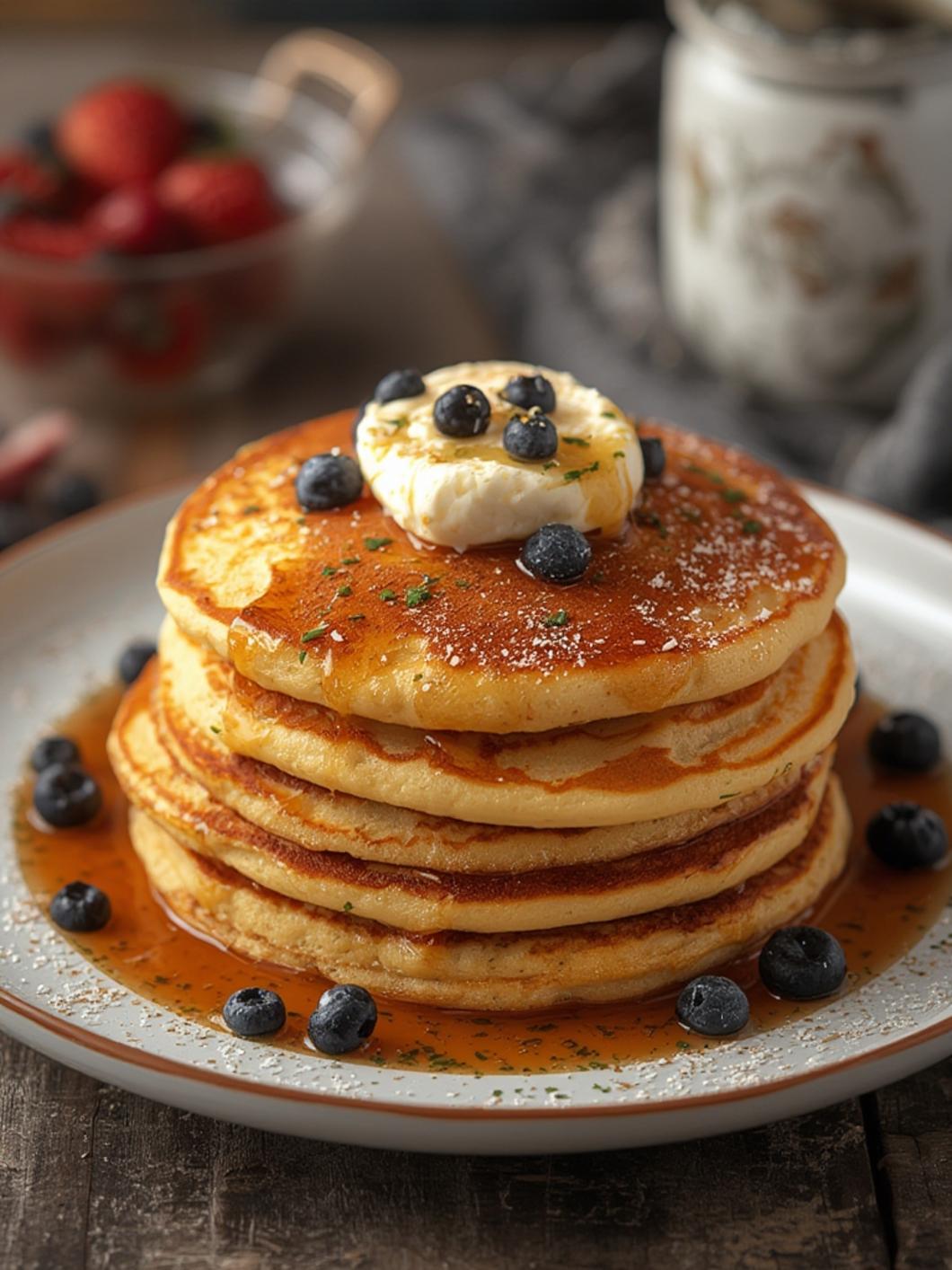
Pancakes are best served hot off the griddle. Top with fresh berries, a dollop of Greek yogurt, a drizzle of pure maple syrup, or a sprinkle of nuts.
Nutritional Benefits / Advantages
This isn’t just another pancake recipe; it’s a nutritional upgrade. The cottage cheese provides a massive protein boost—about 14 grams per serving—which promotes satiety, supports muscle repair, and stabilizes blood sugar levels to avoid the mid-morning crash. By using whole oats and minimal added sugar, these pancakes offer sustained energy from complex carbohydrates and fiber. They’re lower in carbohydrates than flour-based pancakes and contain no refined sugar if you use a natural sweetener like honey or ripe banana. For those on specific diets, this cottage cheese pancake recipe is naturally gluten-free (use GF oats/flour), can be made lower-carb with almond flour, and provides a substantial, nutrient-dense meal that keeps you full for hours.
Tips, Alternative Methods, or Cooking Advice
- For Ultimate Fluffiness: After blending, gently fold in 1 beaten egg white at the end. The extra air will create an even lighter texture.
- Dairy-Free/Vegan Version: Use a high-protein plant-based “cottage cheese” alternative or blend 1 cup of silken tofu with 2 tablespoons of nutritional yeast for a similar creamy, high-protein base. Use plant-based milk and a flax egg (1 tbsp ground flax + 3 tbsp water) instead of eggs.
- Meal Prep Hero: The blended batter (without baking powder) can be stored in an airtight container in the refrigerator for up to 48 hours. Stir in the fresh baking powder just before cooking.
- Kid-Friendly Twist: Add a handful of spinach to the blender—it will disappear into the green-tinted batter, packing in a serving of veggies with zero flavor detection. Top with fun-shaped fruit cuts.
- Savory Spin: Omit the honey and vanilla. Add chopped chives, a pinch of garlic powder, and black pepper to the batter. Serve topped with avocado slices, a fried egg, and a dollop of sour cream.
Common Mistakes to Avoid
1. Mistake: Skipping the Blend. Trying to mix by hand will leave you with a lumpy, uneven batter and a gritty texture. Solution: Use a blender. It’s non-negotiable for the best results.
2. Mistake: Overmixing After Adding Flour. Once the flour is incorporated, overmixing develops gluten, leading to tough, dense pancakes. Solution: Blend until just smooth. If stirring by hand in a bowl, mix until no dry streaks remain and stop.
3. Mistake: Cooking on Too High Heat. This is the #1 cause of dark, raw-centered pancakes. The exterior burns before the interior sets. Solution: Always use medium-low heat and be patient. The first pancake is often a “test” to adjust heat.
4. Mistake: Flipping Too Soon. Flipping before the bubbles form and edges set causes the pancake to collapse or tear. Solution: Wait until the surface is bubbly and the edges look firm. A confident, quick flip is best.
5. Mistake: Overcrowding the Pan. This drops the pan’s temperature, causing pancakes to steam instead of fry, resulting in pale, dense cakes. Solution: Leave ample space (at least 1 inch) between pancakes.
Storage / Maintenance Tips
Refrigeration: Cool leftover pancakes completely on a wire rack. Layer them between sheets of parchment paper and store in an airtight container in the refrigerator for up to 4 days.
Freezing: For long-term storage, freeze pancakes in a single layer on a baking sheet until solid, then transfer to a freezer bag. They keep well for up to 3 months.
Reheating: For best texture, reheat in a toaster or on a dry skillet over medium heat until warmed through and slightly crisp on the edges. Avoid microwaving, as it makes them soggy. You can also reheat a stack in a 300°F oven for 10-12 minutes.
Conclusion
Mastering this cottage cheese pancake recipe is a game-changer for anyone seeking a delicious, no-fuss, and powerfully nutritious breakfast or snack. You’ve learned the critical role of blending for texture, the science of low-and-slow cooking, and how to customize for any dietary need. These fluffy cottage cheese pancakes prove that healthy eating can be incredibly indulgent. They are the perfect solution for meal prepping, impressing brunch guests, or simply treating yourself right on a busy morning. Don’t wait—blend up a batch this weekend and experience the protein-packed, fluffy bliss for yourself. We’d love to see your creations! Share your photos and any brilliant topping combinations in the comments below. For more genius ingredient-swap recipes, explore our Ultimate Guide to Homemade Dessert Sauces.
FAQs
Q1: Can I use a different type of cottage cheese?
Yes. Large-curd cottage cheese will require a longer blending time to achieve a smooth texture. For a completely smooth, “ricotta-like” base, you can even press the cottage cheese through a fine-mesh sieve before blending, but it’s usually unnecessary with a powerful blender.
Q2: My batter is too thick/thin. How do I fix it?
Too thick: Whisk in milk, one tablespoon at a time. Remember the batter will thin slightly as it rests.
Too thin: Whisk in a tablespoon of flour or oat flour. If you’ve already added baking powder, the batter may be slightly more fluid; just use slightly less batter per pancake.
Q3: Are these pancakes actually sweet?
They have a mild, pleasant sweetness from the honey/maple syrup and any added fruit. They are not nearly as sweet as diner-style pancakes. The sweetness level is easily adjustable in the batter or can be amplified with your choice of sugary toppings like fresh fruit compote or a drizzle of pure maple syrup.
Q4: Can I make the batter ahead of time for the week?
You can prepare the blended batter (without the baking powder) and store it in the refrigerator for 2 days. Stir in the fresh baking powder just before cooking. Adding the leavening agent too early will cause it to lose its power, resulting in flat pancakes.
Q5: Why are my pancakes dense and not fluffy?
The most common culprits are: 1) Not blending long enough to break down the oats and cottage cheese fully, 2) Cooking on too high heat, which sets the outside too fast, or 3) Using old baking powder. Always test your baking powder by dropping a teaspoon into hot water—it should fizz vigorously.