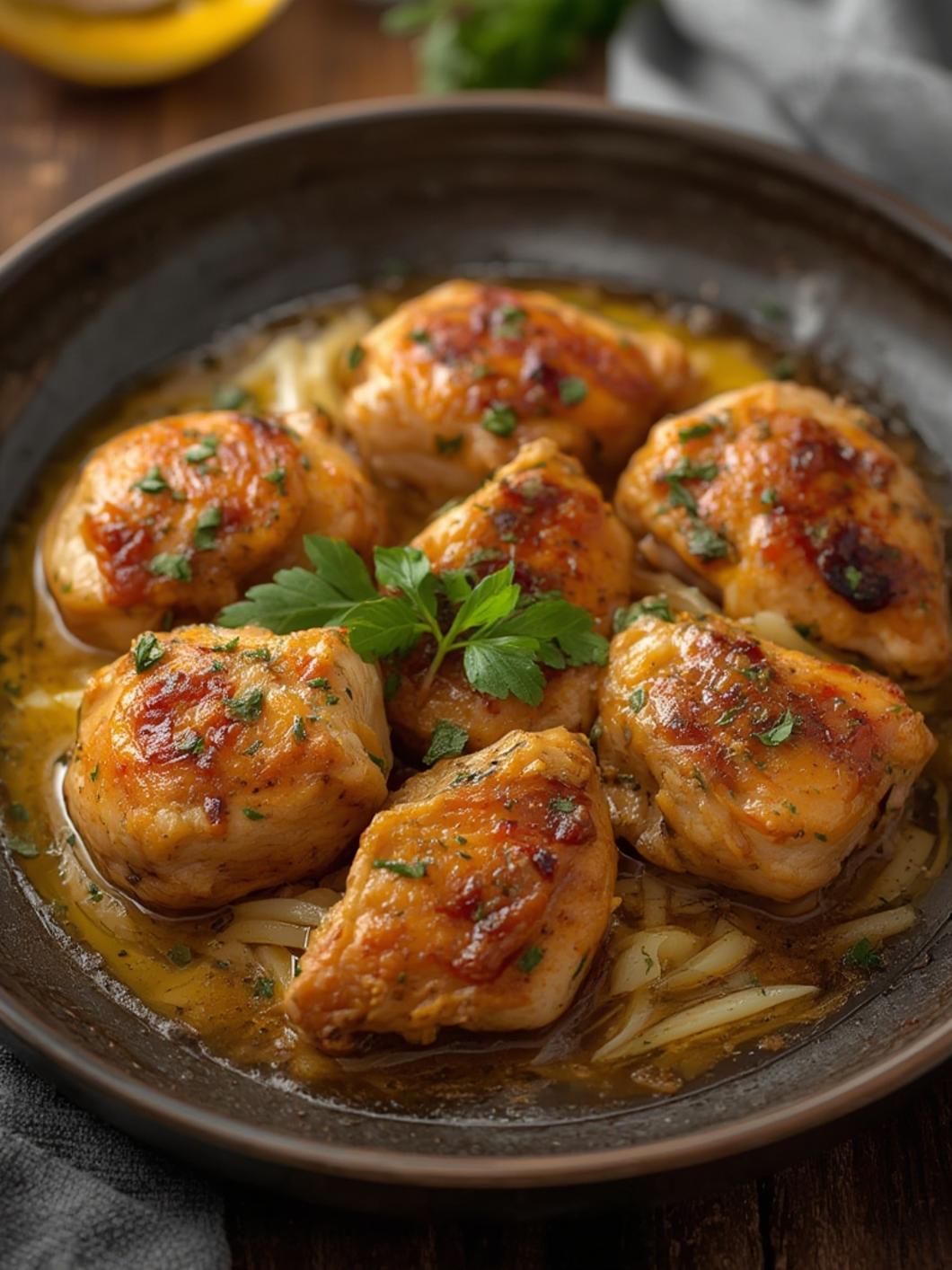
Ever wondered why restaurant-style Garlic Butter Chicken tastes so incredibly succulent and rich, while your homemade version sometimes falls flat? The secret isn’t magic—it’s technique. Mastering this dish at home unlocks a world of comfort food that’s surprisingly simple, deeply flavorful, and far healthier (and cheaper) than dining out. In this ultimate guide, we’re breaking down every single step, from pantry staples to pro tips, ensuring your next Garlic Butter Chicken is a showstopper. Forget takeout; you’re about to create a Garlic Butter Chicken Recipe that will have your family begging for seconds.
Materials & Supplies
To execute this recipe flawlessly, having the right tools on hand is half the battle. Here’s your complete checklist.
Ingredients
- For the Chicken & Marinade:
* 1.5 lbs (680g) boneless, skinless chicken breasts or thighs (thighs are juicier!)
* 1 tablespoon olive oil
* 1 teaspoon kosher salt
* ½ teaspoon black pepper
* ½ teaspoon paprika (smoked or sweet)
* ¼ teaspoon onion powder
- For the Garlic Butter Sauce:
* 4 tablespoons unsalted butter
* 6-8 garlic cloves, minced (do not use pre-minced from a jar for best flavor)
* ½ cup low-sodium chicken broth
* 2 tablespoons fresh lemon juice (about 1 lemon)
* 1 teaspoon dried thyme or 1 tablespoon fresh thyme leaves
* 2 tablespoons fresh parsley, finely chopped
* Optional: ½ teaspoon red pepper flakes for a kick
Kitchen Tools & Equipment
- Essential: Large, heavy-bottomed skillet or sauté pan (non-stick or stainless steel), tongs, meat mallet or rolling pin (optional, for even thickness), mixing bowls, measuring cups/spoons, garlic press (optional, mince finely by hand for best texture), kitchen thermometer (highly recommended).
- For Serving: Platter or serving dish, fresh lemon wedges.
- Substitutions & Notes:
* Chicken: Use chicken tenders or cut large breasts in half horizontally to create thinner cutlets for faster, even cooking.
* Broth: Vegetable broth works in a pinch.
* Herbs: Dried rosemary or oregano can substitute for thyme. Don’t skip the fresh parsley at the end—it brightens everything.
* Dairy: For a dairy-free version, substitute the butter with an equal amount of refined coconut oil or a high-quality vegan butter stick.
Timing / Cooking Schedule
Planning is key to a stress-free cooking experience. This recipe is designed for a weeknight but has the elegance of a weekend meal.
| Phase | Time | What’s Happening |
| Prep Work | 15 mins | Mincing garlic, measuring herbs, patting chicken dry, seasoning. |
| Cooking | 12-15 mins | Searing chicken (5-7 mins per side), then simmering the sauce. |
| Resting | 5 mins | Crucial step! Chicken rests while sauce finishes. |
| Total Time | ~30 minutes | From start to finish on the table. |
Context: This is significantly faster than baking a chicken dish or making a complex sauce from scratch. The entire process is comparable to making a simple stir-fry but yields a much richer, more decadent result. Set your table or prepare a simple side salad (like arugula with lemon vinaigrette) while the chicken cooks.
Step-by-Step Instructions
Follow these steps precisely for foolproof, juicy, and flavorful results every single time.
1. Prepare the Chicken: Pat chicken pieces completely dry with paper towels. This is non-negotiable for a good sear. If using thick breasts, place between plastic wrap and gently pound to an even ½-inch thickness. Season generously on both sides with salt, pepper, paprika, and onion powder.
2. Sear the Chicken (Build Flavor): Heat olive oil in your heavy skillet over medium-high heat until shimmering. Add chicken in a single layer, not crowding the pan. Cook for 5-7 minutes without moving, until a deep golden-brown crust forms. Flip and cook the other side for another 5-7 minutes, or until internal temperature reaches 155-160°F (68-71°C). Tip: Do not flip too early! Let the crust form. Transfer chicken to a plate and loosely tent with foil. Reserve the flavorful browned bits (fond) in the pan.
3. Build the Sauce (Deglaze & Infuse): Reduce heat to medium-low. Add butter to the same pan. Once melted, add minced garlic and sauté for 60-90 seconds until fragrant—do not let it burn. Pour in chicken broth and lemon juice, scraping the bottom of the pan with a wooden spoon to lift all that delicious fond. This process, called deglazing, is where your sauce’s depth is born. Stir in thyme.
4. Finish & Combine: Return the chicken and any accumulated juices to the pan. Simmer for 2-3 minutes, turning to coat, allowing the chicken to finish cooking to 165°F (74°C) and the sauce to thicken slightly. Remove from heat. Stir in fresh parsley and optional red pepper flakes.
5. Serve Immediately: Plate the chicken and spoon the glorious garlic butter sauce generously over the top. Serve with lemon wedges and your choice of sides—mashed potatoes, rice, or crusty bread are perfect for soaking up every drop.
Nutritional Benefits / Advantages
Making this Garlic Butter Chicken at home gives you complete control over your ingredients, leading to significant health advantages over restaurant versions or processed alternatives.
- High-Protein, Lean Base: Chicken breast is a superb source of lean protein, essential for muscle repair, satiety, and metabolic health.
- Heart-Healthy Fats: Using a moderate amount of high-quality unsalted butter provides fat-soluble vitamins (A, D, E, K) and satisfies cravings, which can aid in long-term diet adherence.
- Garlic’s Power: Garlic contains allicin, a compound linked to immune support, improved heart health, and anti-inflammatory properties. Fresh garlic, as used here, offers the most benefits.
- No Hidden Sugars or Preservatives: You control the sodium level (using low-sodium broth) and avoid the excess sugars, modified oils, and preservatives common in pre-made sauces and restaurant dishes.
- Portion Control: You dictate the serving size, making it easier to manage calorie intake without sacrificing flavor.
Tips, Alternative Methods, or Cooking Advice
- For Extra Tender Chicken: Brine your chicken for 30 minutes in a solution of 4 cups water, ¼ cup salt, and 2 tablespoons sugar before step 1. Rinse and pat dry.
- Crispier Skin: If using chicken thighs with skin, start skin-side down in the pan and press gently for the first minute to render fat and crisp the skin.
- Creamier Sauce: Stir in 2 tablespoons of heavy cream or full-fat coconut milk at the end of Step 4 for a decadent, creamy variation.
- One-Pan Meal: After removing the chicken, sauté sliced mushrooms and cherry tomatoes in the sauce base before adding the liquid. Add spinach at the very end to wilt.
- Low-Carb/Keto: Serve over zucchini noodles (“zoodles”) or cauliflower rice instead of potatoes.
- Beginner Advice: Use a meat thermometer. It’s the single best investment to avoid dry, overcooked chicken. Aim for 155°F in the pan, and carryover cooking will bring it to a perfect 165°F.
Common Mistakes to Avoid
- Mistake: Skipping the Pat-Dry Step.
* Solution: Wet chicken steams instead of sears, leading to a pale, rubbery texture. Always use paper towels.
- Mistake: Moving the Chicken Too Soon.
* Solution: Let it develop a sear. If it sticks, it’s not ready to flip. Wait another 30 seconds.
- Mistake: Overcooking the Chicken.
* Solution: Remove it at 155-160°F. The residual heat while it rests will bring it to food-safe 165°F. Overcooking is the #1 cause of dry chicken.
- Mistake: Browning the Garlic.
* Solution: Garlic burns quickly and turns bitter. Add it after the butter foams and cook on medium-low for just until fragrant, about 60 seconds.
- Mistake: Not Deglazing the Pan.
* Solution: Those browned bits are pure flavor. Scrape them into the sauce with your broth/lemon juice.
Storage / Maintenance Tips
- Refrigeration: Cool leftover chicken and sauce completely (within 2 hours of cooking). Store in an airtight container in the refrigerator for up to 3 days. The sauce may solidify slightly due to the butter.
- Reheating: Reheat gently in a skillet over low heat with a splash of chicken broth or water to loosen the sauce. Stir until warmed through. Do not microwave aggressively, as it will make the chicken tough.
- Freezing: This dish freezes well for up to 2 months. Cool completely, then store in a freezer-safe container. Thaw overnight in the refrigerator before reheating as above.
- Food Safety: Never leave cooked chicken at room temperature for more than 2 hours. When reheating, ensure it reaches 165°F throughout.
Conclusion
You now hold all the keys to a spectacular, restaurant-worthy Garlic Butter Chicken made in your own kitchen. By focusing on a proper sear, a fragrant garlic butter sauce built from the pan’s fond, and precise temperature control, you guarantee juicy, flavorful results every time. This Garlic Butter Chicken Recipe is more than a meal; it’s a foundational skill that builds confidence in your cooking. The value of creating such a delicious, wholesome dish for yourself and your loved ones is immeasurable. We encourage you to try it tonight! Did you add a twist? Tag us or share your experience in the comments. For more approachable, impressive recipes, explore our collection of guides that transform simple ingredients into extraordinary meals.
FAQs
1. My garlic butter sauce is separating or looks oily. What happened?
This usually means the sauce got too hot or was whisked insufficiently. Reduce the heat to low when adding the butter/stock mixture and whisk continuously until the sauce emulsifies (comes together into a glossy, cohesive liquid). If it still separates, whisk in a teaspoon of cold water or lemon juice off the heat.
2. Can I use chicken with skin for this recipe?
Yes! Follow the tip in the variations section: start skin-side down, press gently, and cook until the skin is very crisp. You may need to slightly reduce the butter in the final sauce, as the chicken skin will render its own fat.
3. What’s the best side dish for Garlic Butter Chicken?
The sauce is the star, so choose sides that soak it up. Classic choices are buttery mashed potatoes, parmesan risotto, buttered noodles, or crusty artisan bread. For a lighter option, serve over steamed green beans or a simple arugula salad.
4. My chicken is thick in the middle and thin on the ends. How do I cook it evenly?
Always pound your chicken breasts to an even thickness before seasoning and cooking. This is the best way to ensure the entire piece cooks uniformly, preventing dry edges and an undercooked center. A rolling pin between plastic wrap works perfectly.
5. I don’t have fresh thyme. Can I use dried?
Absolutely. Use 1 teaspoon of dried thyme in place of 1 tablespoon of fresh. Add it with the garlic and broth so it has time to rehydrate and release its flavor. You can also use a pinch of Italian seasoning blend as a substitute.